How Custom Orthotics Are Made: From Your Foot to the Finished Device
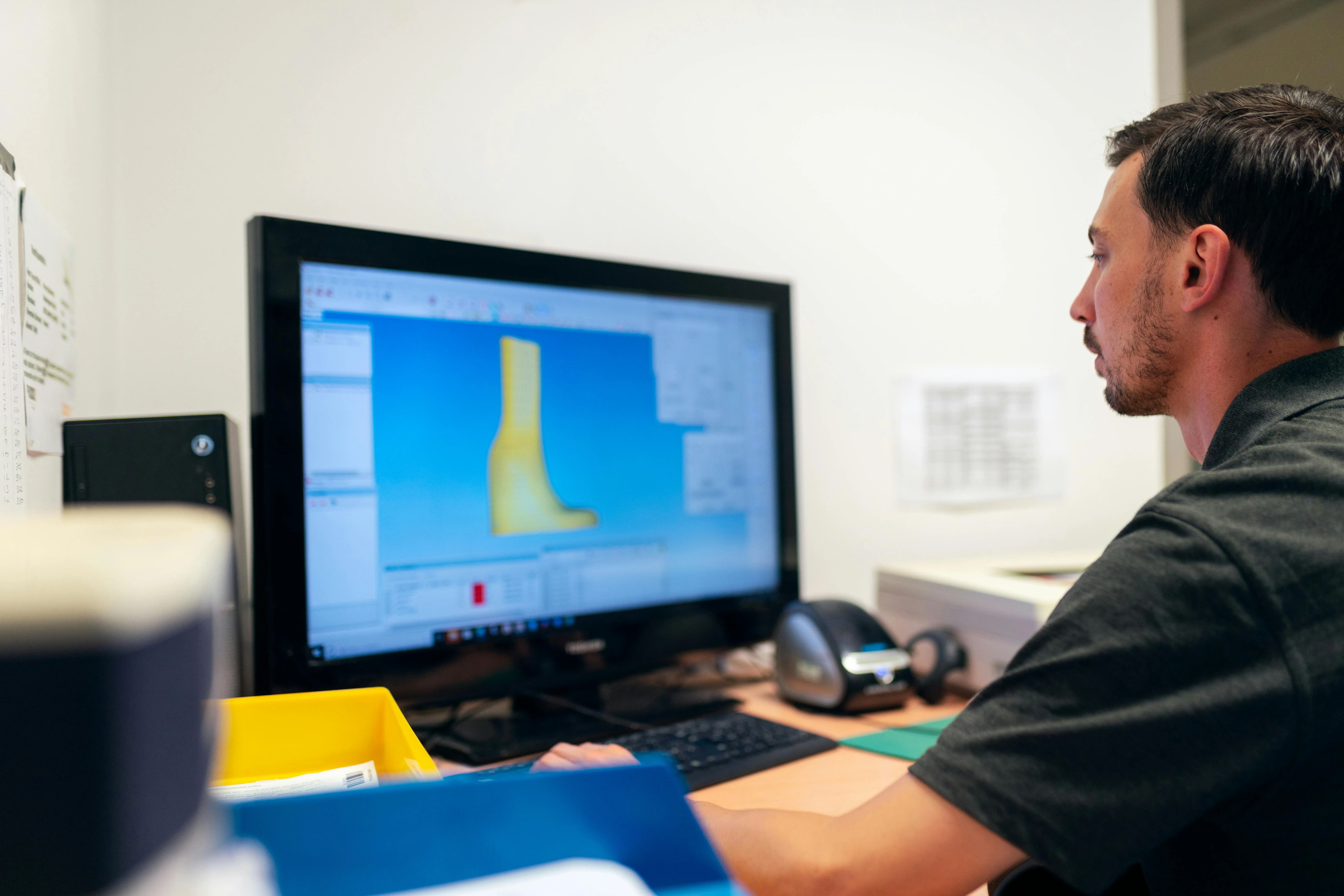
Ever wonder what the lab actually does with that mold of your foot? Here's the journey, and why each step earns its place.
Read the article →Tissue that stops hurting isn't the same as tissue that's ready. Rehab is the bridge between the two, and skipping it is the main reason foot and ankle problems come back for sequels.
Muscles, tendons, and ligaments adapt to the demands placed on them; injury and rest shrink that capacity just when you need it rebuilt. Structured rehab reloads tissue progressively: flexibility work to restore range (tight calves drive half of podiatry), strengthening dosed to stimulate repair without re-injury (eccentric loading for tendons is the canonical example), and balance retraining to reprogram the position sensors that sprains silence. The program changes as you do; that progression is the therapy.
Anyone whose problem involves weakness, stiffness, instability, or repeat injuries, which is most of sports podiatry and all of post-sprain care. It requires participation: home exercises done consistently are the treatment, with visits to progress and correct. If you want a fix done to you rather than built with you, other tools fit better, and sometimes we combine both.
Strength, flexibility, and balance are measured, giving the program targets and you a starting line to beat.
Exercises with names, doses, and progression rules, taught until your form is right, matched to your actual life and sport.
Rechecks advance the program as capacity returns, ending with sport-specific loading and criteria that say 'ready,' not just 'better.'
Rehab is the recovery; expect mild post-exercise soreness as tissue adapts, distinct from the sharp pain of re-injury (we teach the difference). Timelines run from a few weeks for simple sprains to several months for tendinosis, and the payoff compounds: rehabbed ankles re-sprain dramatically less, and rebuilt tendons stay rebuilt.
Rehab can't fix structural problems (a rigid deformity or a rupture needs other tools first) and it fails silently when home exercises don't happen; adherence is the whole ballgame. Occasionally exercises need re-dosing when soreness signals too fast a ramp, which is why check-ins matter rather than a printed sheet and good luck.
The exercises are public; the prescription isn't. Which variant, what dose, when to progress, and what your pain response means: that's the difference between rehab and hopeful stretching. Plenty of our patients arrive having done the right exercise at the wrong dose for months.
Most programs run 10 to 20 minutes a day, and consistency beats duration everywhere in rehab. We design around your actual schedule, because the perfect program you won't do loses to the good program you will.
Ligaments heal loose and their position sensors stay offline without retraining; that's why once-sprained ankles keep re-spraining. Feeling fine is the tissue being quiet, not the system being restored. Rehab is how you exit the sprain cycle.
Ever wonder what the lab actually does with that mold of your foot? Here's the journey, and why each step earns its place.
Read the article →Brands change yearly; the features that help a strained fascia don't. Learn the checklist and every shoe store becomes easy.
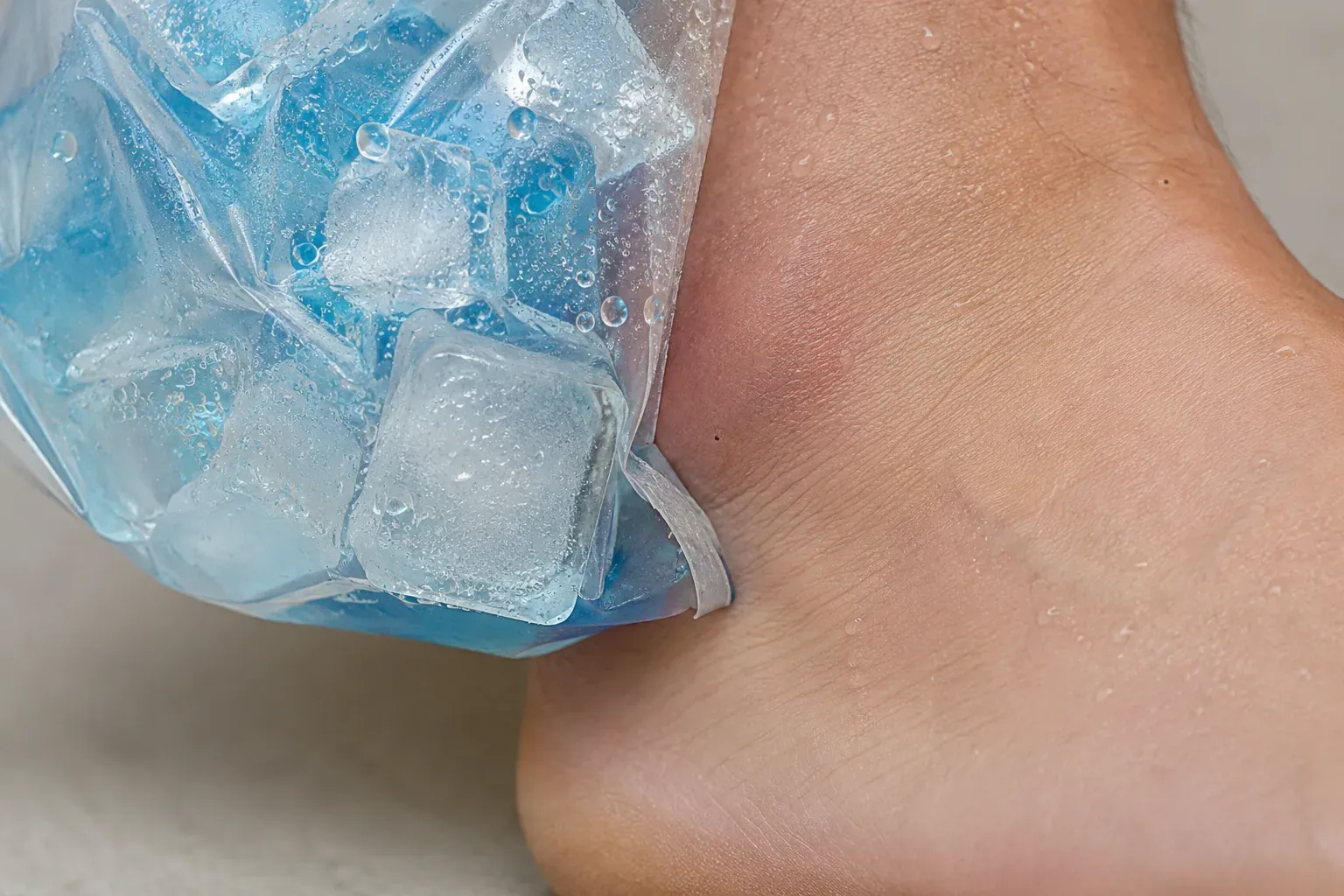
Read the article →RICE is still the right first move after a foot or ankle injury. What comes next has changed more than most people know.
Read the article →One exam at our Sugar Land office answers it. Call 346-594-9166 or book online.