Stress Fracture Recovery: Getting Back Without Going Back
The fracture heals in weeks. Whether it stays healed depends on what you do with them.
Read the article →From Oyster Creek Trail runners to Friday-night athletes and weekend pickleball converts, Sugar Land feet earn their injuries honestly. The goal of sports podiatry isn't to tell you to stop; it's to fix the problem and engineer your return.
Sports injuries of the foot and ankle split into two families that need different thinking: acute injuries (sprains, fractures, tendon tears; a moment you can name) and overuse injuries (stress fractures, tendinitis, fasciitis; a mileage total you can't). Acute injuries need accurate grading, since a 'bad sprain' and a subtle fracture can look identical. Overuse injuries need cause-hunting, because the tissue that failed is usually the victim of training load, mechanics, or footwear.
Dr. Patel grades the injury precisely: hands-on structure-by-structure exam, gait and mechanics assessment, in-office X-rays for bone, and ultrasound for tendon and ligament, with MRI referral when stress fracture suspicion persists despite clean X-rays. Just as important: identifying the training or mechanical cause so the injury doesn't have a sequel.
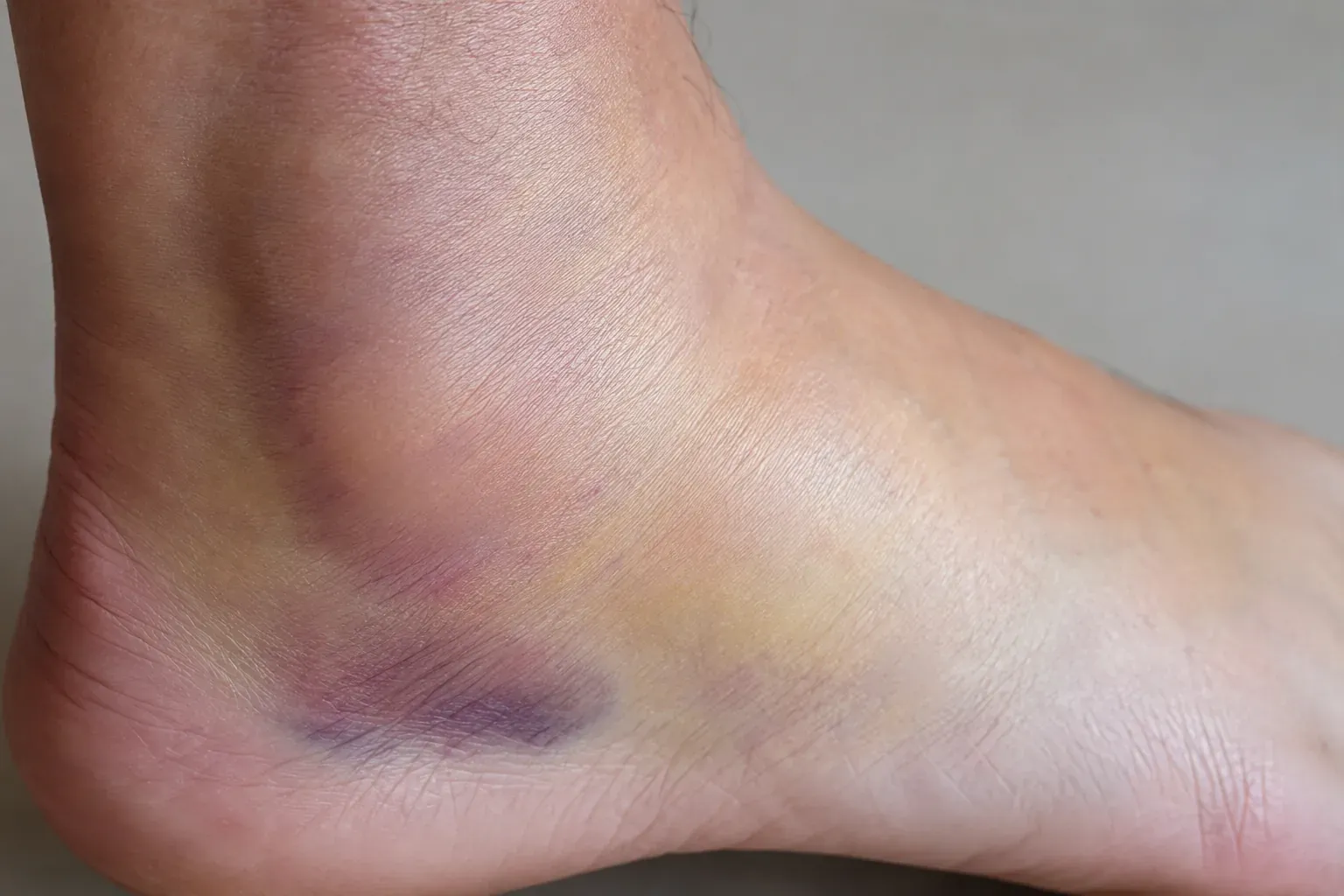
Acute injuries with swelling, bruising, or trouble bearing weight deserve prompt evaluation and imaging. For overuse pain, the two-week rule: pain that persists or progresses through two weeks of sensible modification needs a diagnosis, especially pinpoint bone pain, which is a stress fracture until proven otherwise.
Call 346-594-9166 promptly for: inability to take four steps after an injury; a pop with immediate swelling; deformity; numbness or color change below the injury. Urgent foot problems are worked into the schedule faster.
Treatment starts with the simplest option likely to work and escalates only when needed.
Right-sized immobilization: taping, bracing, or boot, protecting healing without unnecessary deconditioning.
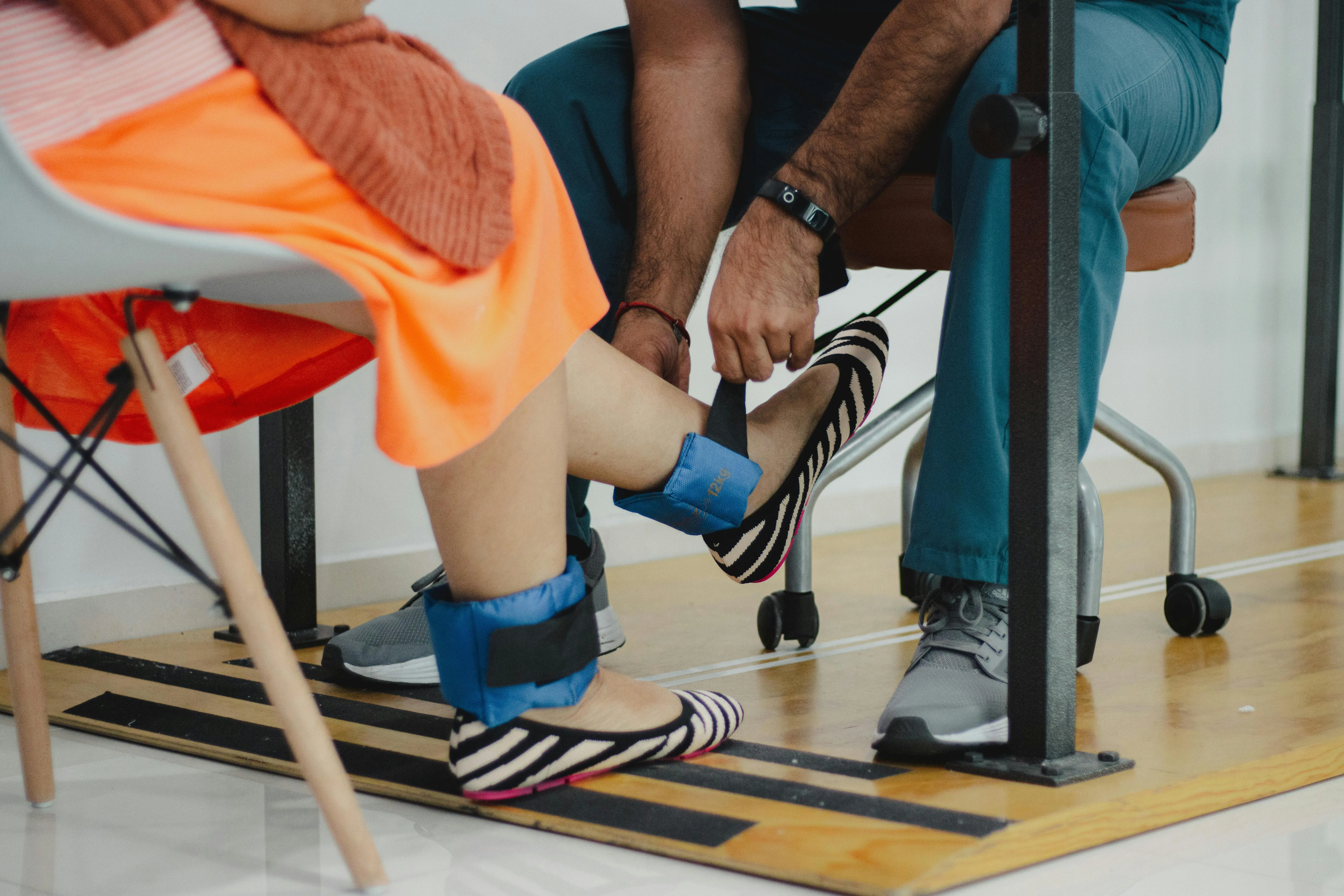
Progressive loading that rebuilds tissue capacity; the difference between healed and actually ready.
Footwear guidance and custom orthotics where your structure contributed to the failure.
Criteria-based progression back to your sport, plus advanced options (shockwave, injections) for stubborn overuse tissue.
Depends which pain. Muscle soreness that warms up and fades: usually fine. Pain that's pinpoint on bone, progressively starts earlier in sessions, or changes your form: that's tissue failing faster than it heals, and playing through it converts weeks of recovery into months.
Mild sprains: often 1 to 3 weeks with proper rehab. Significant ones: 4 to 8. The number that matters more: properly rehabbed ankles re-sprain far less. The re-injury cycle usually starts with a sprain that got rest but not rehab.
Sometimes neither, sometimes both. If your injury pattern maps to your mechanics (same-side repeat injuries, wear patterns, arch behavior), support changes the equation. If it maps to training load, the fix is the plan, not the equipment. The exam tells us which.
The fracture heals in weeks. Whether it stays healed depends on what you do with them.
Read the article →'It's just a sprain' covers everything from two weeks of tape to a torn ligament. The grade is what actually matters.
Read the article →If your ankle rolls on flat ground and you've stopped trusting it, you've graduated from sprains to instability. It's fixable.
Read the article →One visit at our Sugar Land office gets you a diagnosis and a plan. Call 346-594-9166 or book online.