How Custom Orthotics Are Made: From Your Foot to the Finished Device
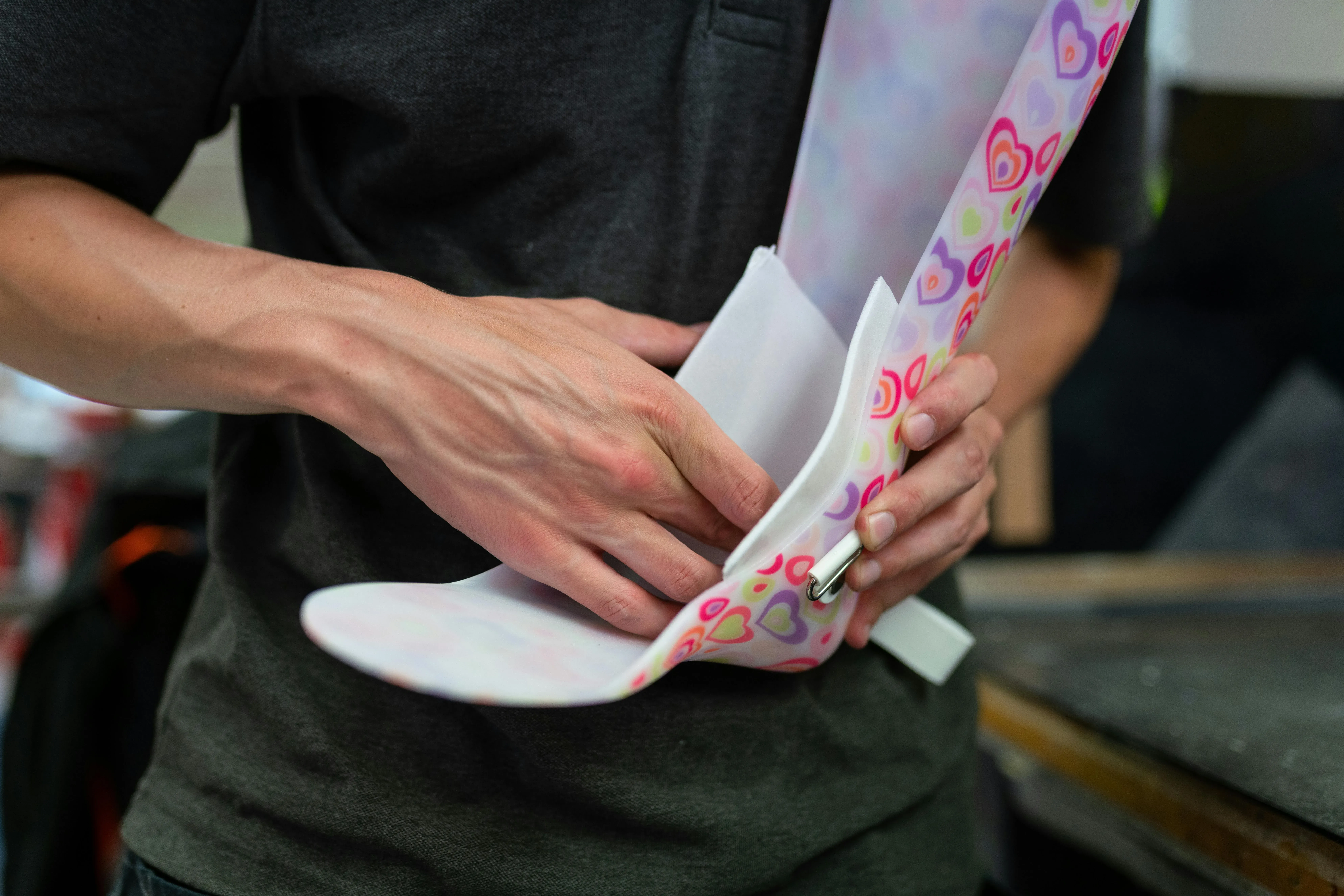
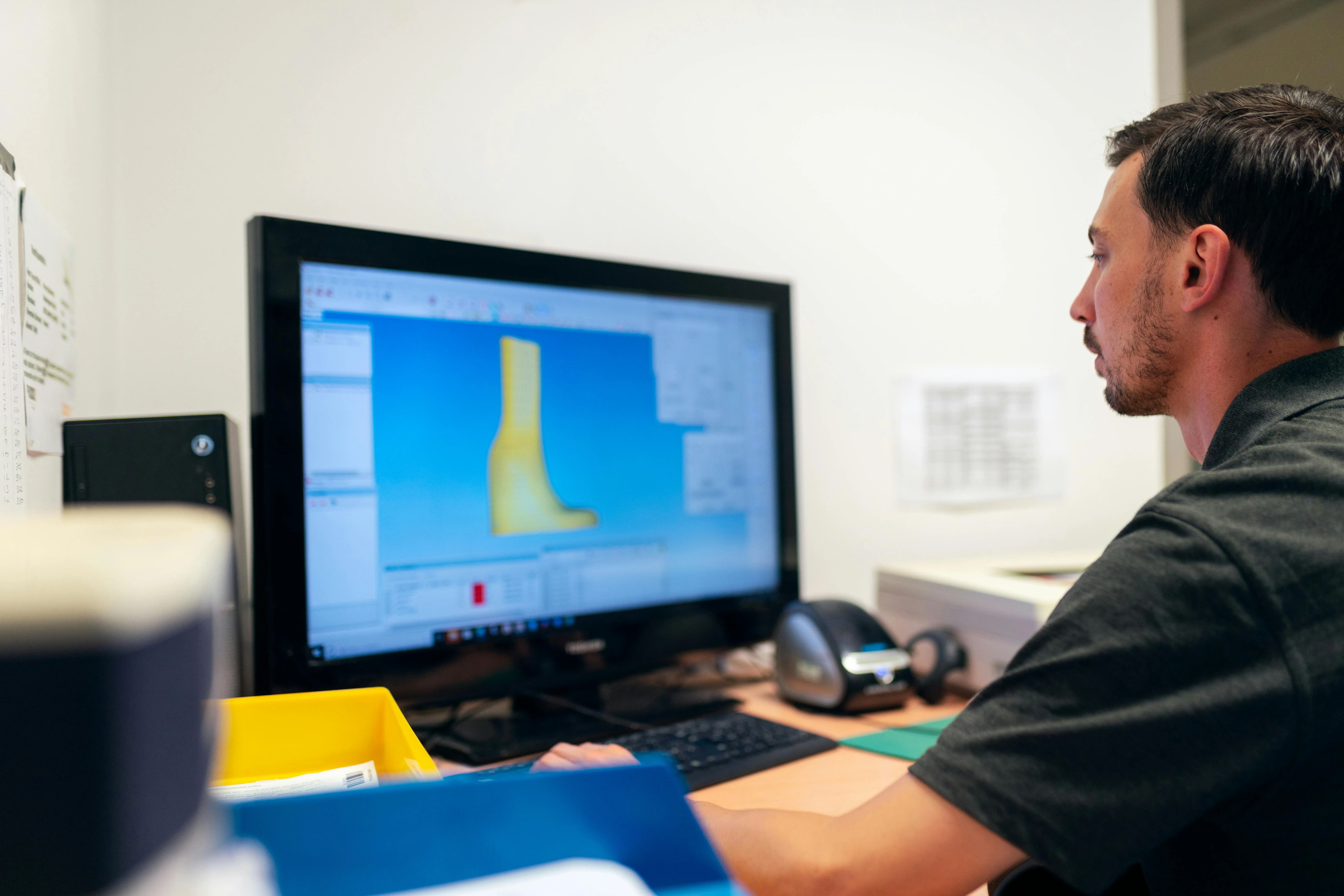
Ever wonder what the lab actually does with that mold of your foot? Here's the journey, and why each step earns its place.
Read the article →A custom orthotic is not a cushioned insole; it's a prescription device built from a cast of your foot to change how force moves through it. When your mechanics are the disease, orthotics are the medicine.
Every step sends forces through your foot along paths set by its structure. When that structure overloads something (fascia, tendon, joint, or skin), the tissue complains on schedule. A custom orthotic re-routes the traffic: cast from a precise mold of your foot, engineered with corrections specific to your diagnosis, posting to control rotation, offloading wells for painful spots, and support exactly where your arch needs it. Pharmacy insoles cushion the existing path; prescription orthotics change the path.
Best for problems your mechanics keep re-creating: pain that returns whenever treatment stops, same-spot calluses, arch collapse, or injury patterns that follow your foot type. Not everyone needs them; a mechanically sound foot with a training-error injury doesn't. The gait exam determines which category your foot belongs in, and we'll tell you honestly if over-the-counter support would serve you fine.
Gait analysis, joint range testing, and a precise mold of each foot in its corrected position, plus your diagnosis, footwear, and activities written into the prescription.
A lab builds your devices in a few weeks; at fitting we verify correction and comfort in your actual shoes.
You ramp wear time over 1 to 2 weeks while your body adapts, with a follow-up to fine-tune anything the wear pattern reveals.
No downtime; there's a short adaptation period as muscles adjust to corrected mechanics, occasionally with mild new-shoe-style aches that fade within a couple of weeks. Symptom relief varies by condition: pressure problems often improve immediately, tissue problems as healing proceeds over weeks. Well-made devices typically last years, with periodic top-cover refreshes.
Orthotics manage mechanics; they don't reverse structural deformity, and a bunion won't shrink because of one. Wrong-for-the-diagnosis devices (including many bought online) can shift pain rather than solve it. Cost candor: insurance coverage for custom orthotics varies widely, so we verify your benefits first and tell you the real number before casting.
Prescription and precision. A quality OTC insert offers generic arch support; a custom device is built from your foot's mold with corrections for your specific diagnosis: posting angles, offloading wells, materials chosen for your weight and sport. For some feet OTC is enough, and we'll say so.
The structural shell typically lasts 3 to 5 years or more; top covers wear sooner and are cheaply replaced. Kids' devices are outgrown rather than worn out. We check them at visits, like tires.
They fit most lace-up and enclosed shoes; slim dress styles may need a lower-profile version, which is part of the prescription conversation. Bring your everyday pair to fitting and we make sure they work in the shoes you actually live in.
Ever wonder what the lab actually does with that mold of your foot? Here's the journey, and why each step earns its place.
Read the article →Brands change yearly; the features that help a strained fascia don't. Learn the checklist and every shoe store becomes easy.
Read the article →Sometimes the pharmacy insole is enough. Sometimes it's $50 spent learning you need the real thing. Here's how to know in advance.
Read the article →One exam at our Sugar Land office answers it. Call 346-594-9166 or book online.