Hammertoe Surgery: What to Expect Before, During, and After
One of foot surgery's smallest operations, explained start to finish so nothing on surgery day surprises you.
Read the article →When a hammertoe has stiffened into a rigid, corn-growing, shoe-fighting fixture, straightening it is a small operation with an outsized payoff: the corn cycle ends because the pressure point that wrote it is gone.
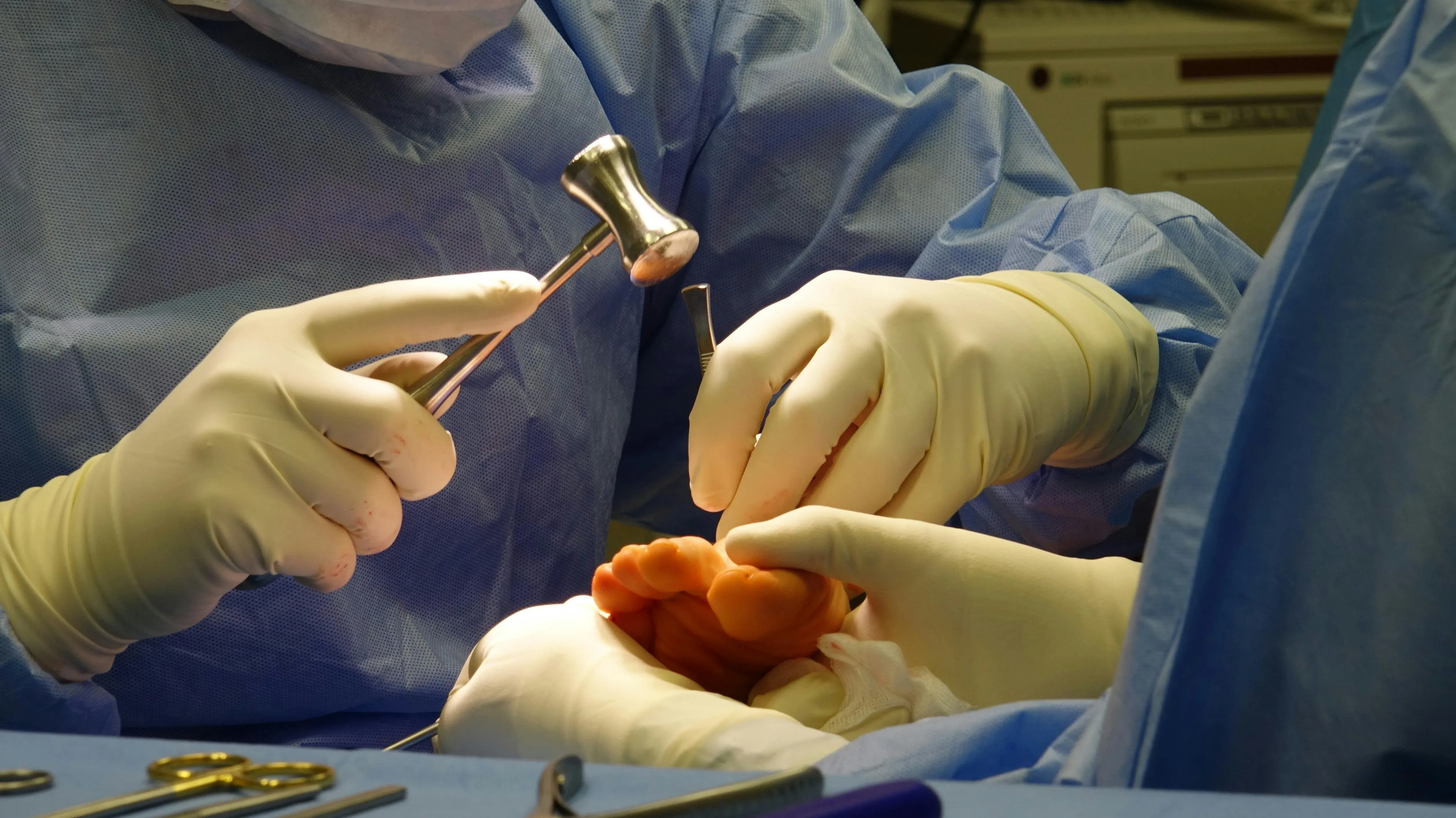
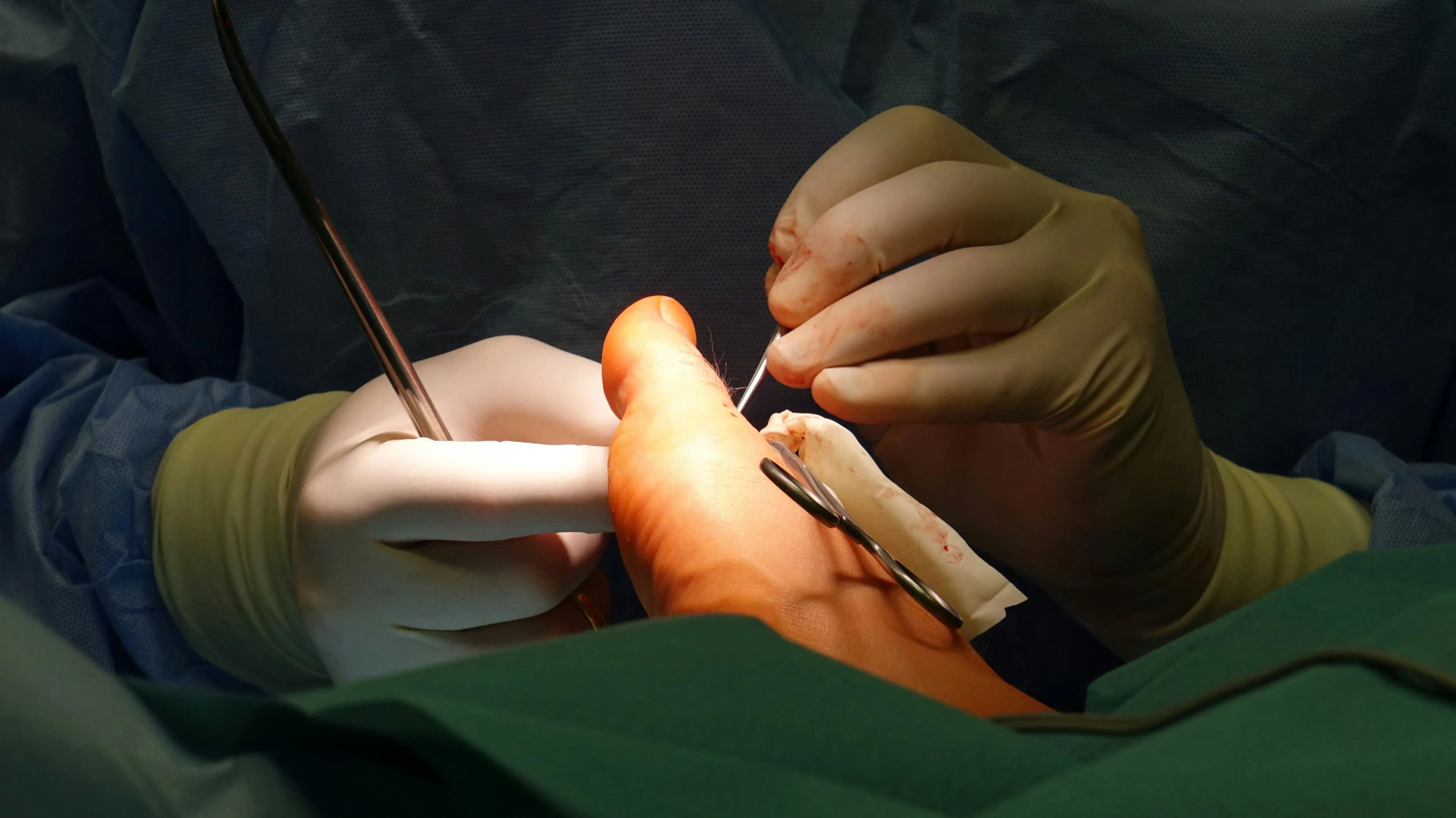
A rigid hammertoe is a contracted middle joint, so correction addresses the joint: typically removing a small segment of bone (arthroplasty) or fusing the joint straight (arthrodesis), often with a release or transfer of the tight tendons that bent it. The straightened toe is held by a small internal implant or temporary pin while it heals. Flexible hammertoes sometimes need only the tendon work. Whatever bent the toe, often a bunion or long metatarsal, gets addressed too, or the neighborhood re-bends.
Time for surgery when: the toe is rigid or nearly so, corns recur despite padding and good shoes, pain limits footwear or activity, or a pressure ulcer threatens (urgent in diabetic feet). Flexible, comfortable hammertoes managed well with conservative care don't need operations; we'll tell you which side of the line your toes sit on.
Exam and X-rays map each toe's flexibility and driver; the plan may combine procedures, and treats causes (like an adjacent bunion) alongside the toe.
Roughly 20 to 30 minutes per toe under local or regional anesthesia; walking the same day in a stiff-soled surgical shoe.
Bandaging holds alignment early; pins, if used, come out painlessly in the office around 3 to 4 weeks. Regular roomy shoes typically return at 4 to 6 weeks.
Among foot surgery's friendlier recoveries: same-day walking in a surgical shoe, desk work within days for most, sutures out at about two weeks, and athletic shoes around 4 to 6 weeks. Expect the operated toe to stay puffy for months (toes hold swelling stubbornly) and to end up straighter but slightly stiffer, a trade nearly every rigid-hammertoe patient takes gladly.
Toe-specific honesty: the corrected toe trades motion for straightness (fused joints don't bend, by design), swelling lingers, and occasionally a toe sits slightly elevated or recurs, particularly if the underlying mechanics go unaddressed. Add the universal small risks of infection and slow healing, magnified by smoking and uncontrolled diabetes. It's a small surgery, but it's still surgery, and we treat the consent conversation accordingly.
If the joint is fused or resected, that specific joint won't bend again; that's how it stays straight. Walking, balance, and push-off feel normal for the overwhelming majority, because those depend on the big toe and ball of the foot, not the corrected joint.
The pin's outside end is capped and bandaged; it looks stranger than it feels. It holds alignment for 3 to 4 weeks, keeps you in the surgical shoe, and removal in the office takes seconds, with most patients rating it painless or close to it.
Yes, and it's routine when several are rigid; one recovery beats three. The trade is a bulkier bandage and slightly slower early walking. Same-visit bunion correction is also common, since the bunion is often the reason the toes bent.
One of foot surgery's smallest operations, explained start to finish so nothing on surgery day surprises you.
Read the article →The week-by-week version gets you through recovery; the month-by-month version shows you where it's all going.
Read the article →The question every bunion patient asks first, answered honestly: week by week, from surgery day to sneakers to sport.
Read the article →One exam at our Sugar Land office answers it. Call 346-594-9166 or book online.