Heel Spur vs. Plantar Fasciitis: Which One Is Actually Hurting You?
Plenty of pain-free feet have spurs, and plenty of painful heels don't. Here's how to tell what's actually going on.
Read the article →Here's the surprise about heel spurs: the spur on your X-ray is usually not what hurts. Understanding that changes the whole treatment plan, and it's why heel spur surgery is rarely the answer.
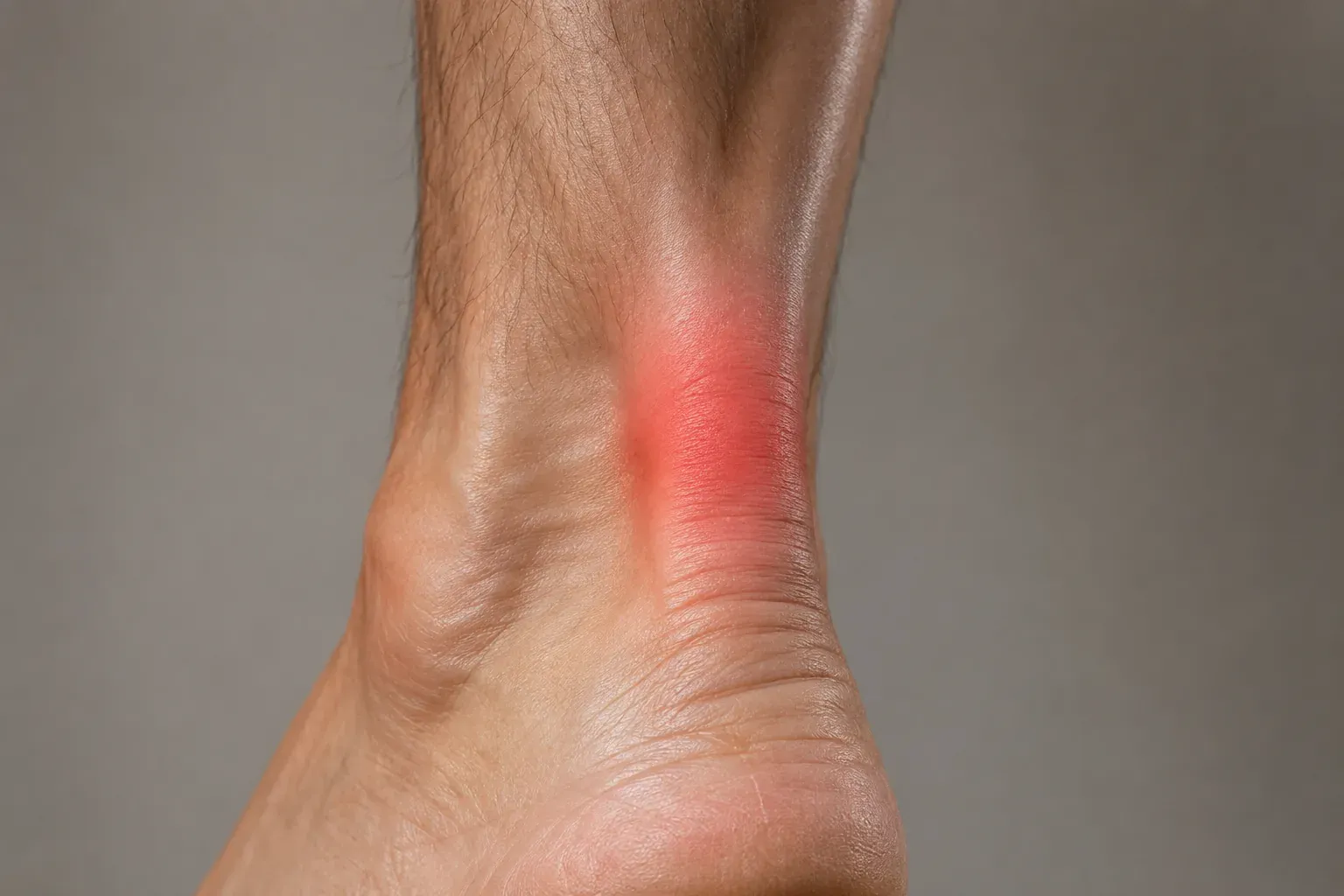
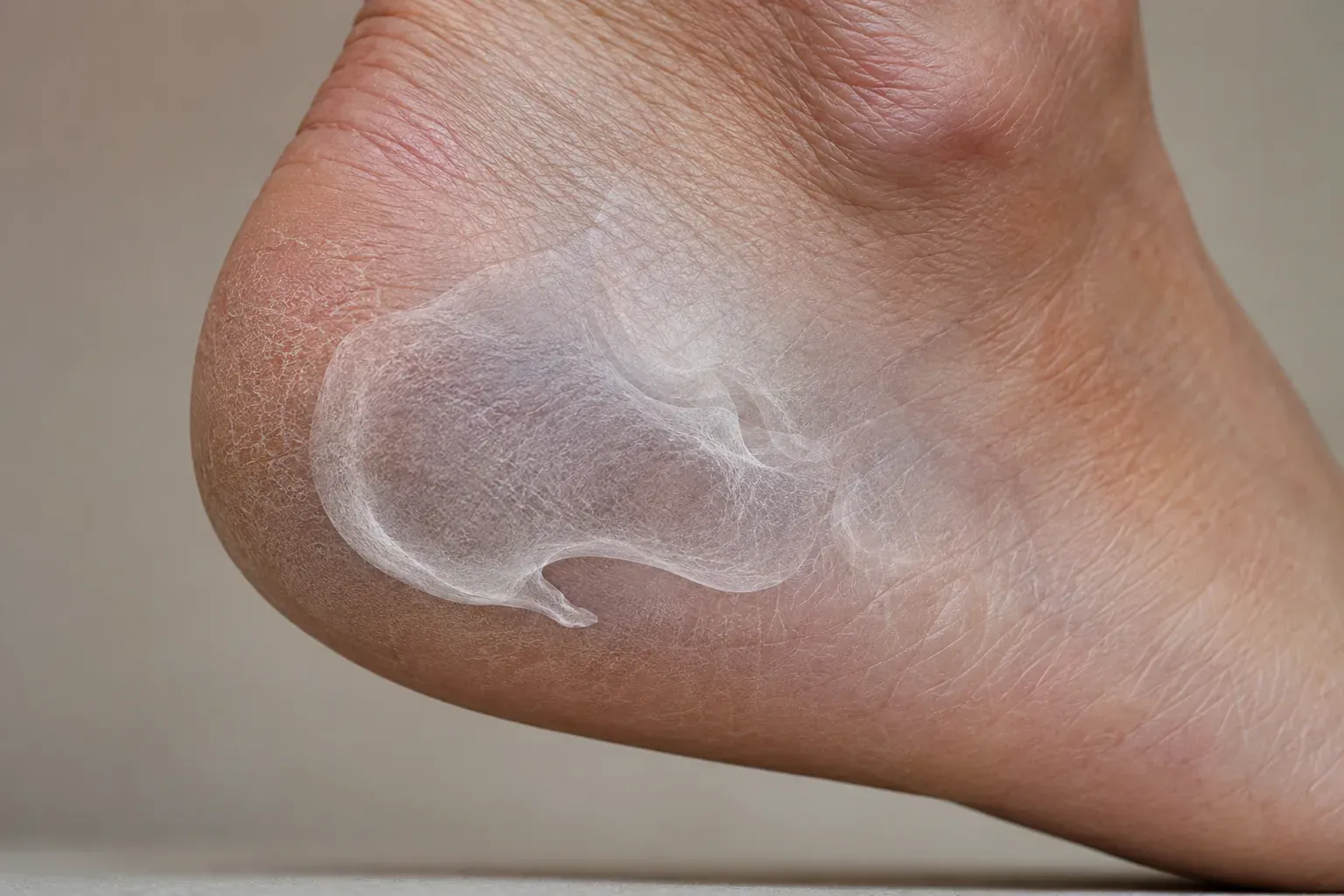
A heel spur is a calcium deposit that builds where the plantar fascia pulls on the heel bone, a bony record of years of tension. About one in ten people has one, and most feel nothing. When there's pain, it almost always comes from the strained fascia or surrounding tissue, not from the spur poking anything. That's why treatment targets the soft tissue, and why removing the spur is seldom necessary.
An in-office X-ray confirms whether a spur exists, but the more important work is the hands-on exam: identifying whether your pain comes from the fascia, the fat pad, a nerve, or the bone itself. Dr. Patel treats the pain generator, not the X-ray finding.
See a podiatrist when heel pain persists past a couple of weeks, whether or not you know a spur is there. The right question isn't "how do I remove the spur" but "what's straining my heel," and that's exactly what the exam answers.
Call 346-594-9166 promptly for: heel pain after a fall or impact; swelling with warmth and redness; pain that prevents bearing weight. Urgent foot problems are worked into the schedule faster.
Treatment starts with the simplest option likely to work and escalates only when needed.
The same proven plan as plantar fasciitis: stretching, footwear, and load correction. When the fascia calms down, spur pain almost always goes with it.
Heel cups, padding, and orthotics reduce direct pressure while tissue heals.
Effective for chronic attachment-point pain, stimulating repair right where the spur and fascia meet.
Reserved for the small minority whose pain persists after everything else; usually addressing the fascia is the point of the procedure, not spur removal.
Rarely. Since the spur itself usually isn't the pain source, removing it doesn't fix the problem, and most patients get better with soft-tissue treatment alone. Surgery is discussed only after thorough conservative care fails.
Spurs grow in response to tension. Fix the mechanics that created it, and growth generally stops. The spur that remains is usually harmless.
No, nothing dissolves a spur, despite what some products claim. But orthotics can eliminate the pain by taking strain off the tissue around it, which is what actually matters.
Plenty of pain-free feet have spurs, and plenty of painful heels don't. Here's how to tell what's actually going on.
Read the article →The Achilles heals on tendon time, not your calendar. Knowing the real numbers prevents both premature quitting and reinjury.
Read the article →When heel pain outlasts months of trying, one of four things is usually going on. None of them is 'just live with it.'
Read the article →One visit at our Sugar Land office gets you a diagnosis and a plan. Call 346-594-9166 or book online.