Chronic Ankle Instability: When Sprains Become a Lifestyle
If your ankle rolls on flat ground and you've stopped trusting it, you've graduated from sprains to instability. It's fixable.
Read the article →The ankle sprain is medicine's most under-treated injury: walked off, iced once, and re-sprained on schedule ever after. Whether yours happened yesterday or keeps happening every year, the ankle can almost always be made trustworthy again.
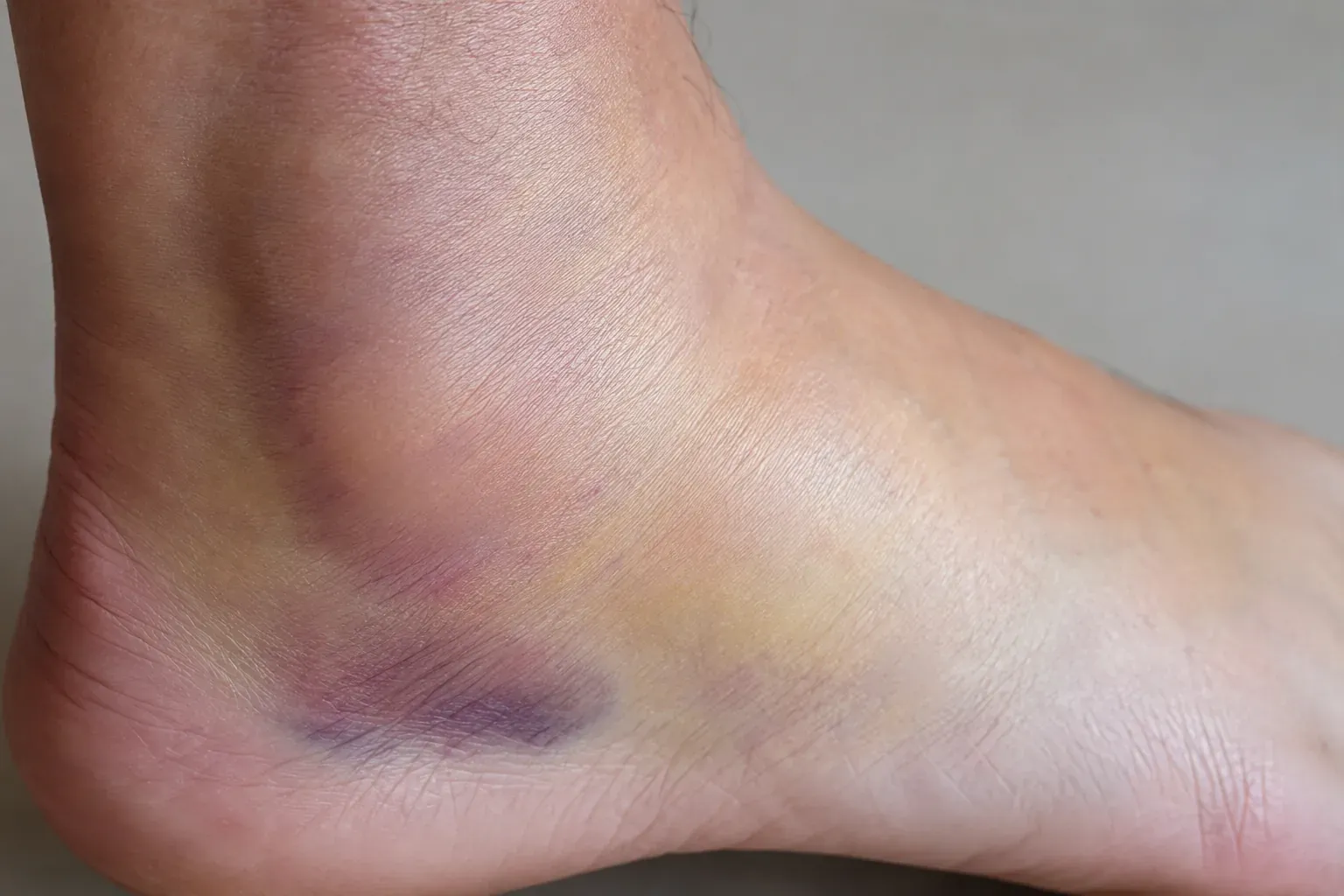
Most ankle injuries are inversion sprains, the foot rolling inward, overstretching or tearing the outer ligaments. Graded 1 to 3 by tear severity, they heal, but ligaments heal loose and slightly deaf: the position sensors inside them (proprioceptors) don't recover without training. That's why the real disease is often what follows: chronic instability, the giving-way ankle, and years later, the post-traumatic arthritis that instability quietly cultivates. Chronic ankle pain without sprains has its own suspect list: tendons, impingement, and hidden joint damage.
Structure-by-structure exam distinguishes ligament from tendon from joint surface, stress testing grades laxity, and in-office X-rays rule out the fractures that hide inside 'sprains.' For the chronically unstable or persistently painful ankle, ultrasound assesses tendons in motion, and MRI referral finds the cartilage lesions plain films miss.
Any sprain with significant swelling, bruising, or weight-bearing trouble should be examined and often X-rayed; fracture rules exist for exactly this. And if your ankle still hurts, swells, or gives way months after a sprain, that's not slow healing; something was missed or never rehabbed, and both are fixable.
Call 346-594-9166 promptly for: inability to bear weight for four steps; bone tenderness at the ankle knobs or midfoot; deformity; numbness or a cold foot. Urgent foot problems are worked into the schedule faster.
Treatment starts with the simplest option likely to work and escalates only when needed.
Protection, controlled early motion, and swelling management; modern sprain care mobilizes early rather than casting for weeks.
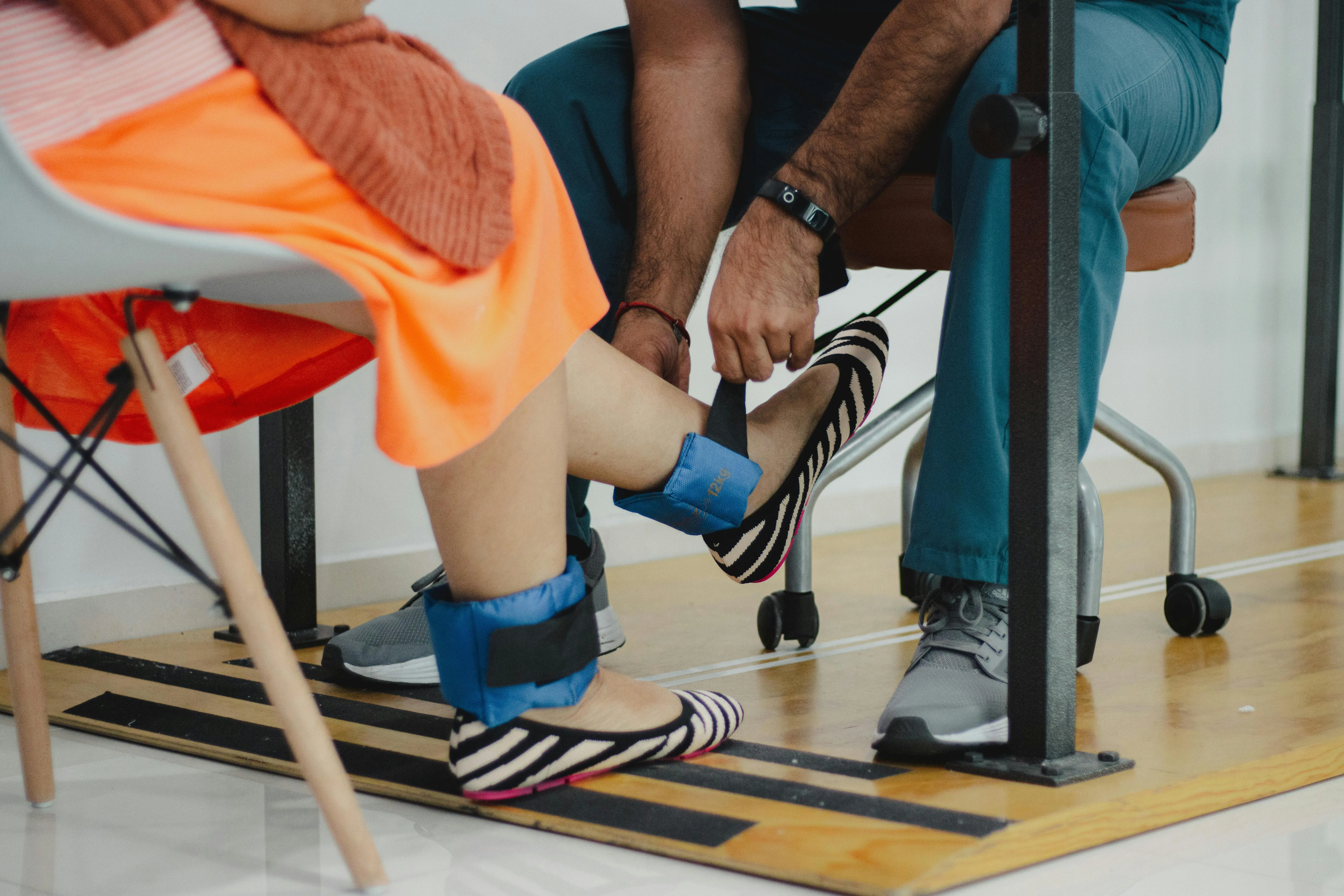
Balance and strength retraining that reprograms the ankle's position sensors, the single best re-sprain prevention that exists.
Sport-specific bracing during vulnerable months, and orthotics when your foot structure feeds the rolling pattern.
For instability or pain that persists: targeted injections, tendon treatment, or referral pathways for ligament repair when structure demands it.
You often can't from the outside; significant sprains and small fractures look and feel similar. The exam plus targeted X-rays sort it in one visit, which is why swollen ankles that struggle to bear weight deserve imaging rather than guessing.
Three usual suspects: incomplete rehab (loose, untrained ligaments), an unrecognized cartilage or tendon injury from the original event, or scar tissue pinching in the joint. All identifiable, all treatable; 'it's just a sprain that never healed' is not a diagnosis.
That's the goal. Bracing protects during healing and sport during the vulnerable window, while rehab rebuilds internal stability that makes the brace redundant. Braces forever is the plan only when someone skips the rebuilding part.
If your ankle rolls on flat ground and you've stopped trusting it, you've graduated from sprains to instability. It's fixable.
Read the article →'It's just a sprain' covers everything from two weeks of tape to a torn ligament. The grade is what actually matters.
Read the article →The fracture heals in weeks. Whether it stays healed depends on what you do with them.
Read the article →One visit at our Sugar Land office gets you a diagnosis and a plan. Call 346-594-9166 or book online.